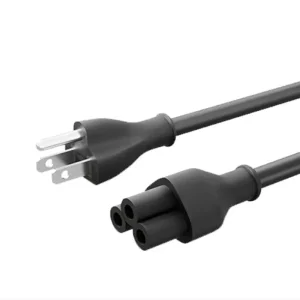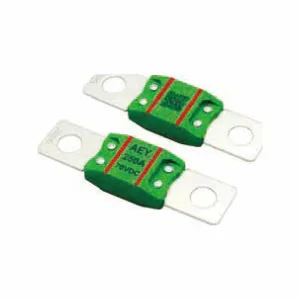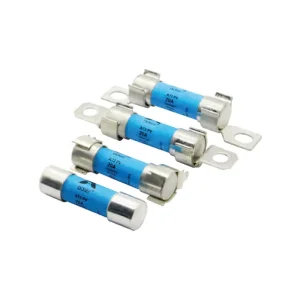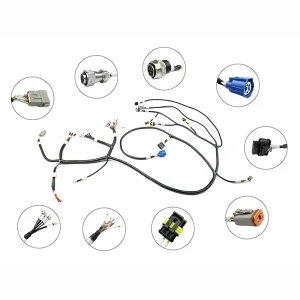
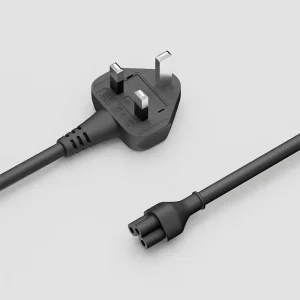
Analyzing grid modernization demands, electrification megatrends, and critical supply chain factors.
The global power cable manufacturing sector is undergoing an unprecedented technological and structural shift. As the world transitions toward deep decarbonization, the demand for highly efficient, customized transmission systems has surged. Power cable manufacturing is no longer a simple metal-drawing process; it has evolved into a highly specialized branch of material science and mechanical engineering. High-voltage direct current (HVDC) systems, subsea arrays, smart grids, and electric vehicle (EV) ecosystems demand infrastructure components that can survive harsh environmental stresses while maintaining maximum electrical efficiency.
Globally, industrial power grids require custom solutions that minimize power attenuation and heat generation. In North America and Europe, grid operators are investing billions to replace legacy distribution grids, driving strict requirements for certifications such as UL, CSA, and CE/UKCA. In high-growth regions like Latin America (Brazil) and the Asia-Pacific (Singapore, Australia), local industrial complexes require robust, high-performance power cables and wiring harnesses to support infrastructure growth and mineral extraction operations. The primary driver of value in this sector is the ability of manufacturers to deliver tailor-made interconnect solutions that reduce lead times and integrate advanced overcurrent protection directly within the cable assembly.
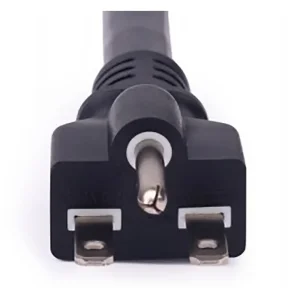
Furthermore, the rapid rise of artificial intelligence, high-performance computing, and massive hyper-scale data centers has created a unique bottleneck in power delivery. Server farms require specialized power cords that can withstand continuous operational heat while mitigating electromagnetic interference (EMI). As a result, Tier-1 manufacturing facilities are shifting from bulk commodity cable extrusion to highly technical, engineering-first models where parameters such as dielectric constants, continuous bend ratings, and specialized shielding are co-developed alongside the target equipment.
Lucky Pioneer Electronic Co., Ltd. is a technology and design-driven interconnect engineering company founded by an experienced engineering team with an uncompromised passion for the wire and connector industry. With the mission to be one of the most innovative customized interconnect enterprises in the world, Lucky Pioneer is engaged in designing, engineering, manufacturing, and distributing a wide range of cables, connectors, and integrated cable assembly solutions to customers across a wide variety of quality-critical industries.
Our capabilities span from concept design, prototypes, and performance validation to mass production. We serve demanding fields such as sensor systems, instrumentation, medical devices, power electronics, high-frequency transformers, inductors, communication systems, IoT platforms, and heavy industrial facilities. Regardless of physical size or production scale, Lucky Pioneer provides fully scalable engineering services tailored to modern power and signal delivery needs.
Our rich expertise and insight into interconnect products, combined with our consistent pursuit of innovation, have earned us a strong reputation. Many technology companies and startups recognize Lucky Pioneer as a strategic business partner from the initial design stage, relying on our interconnect solutions to secure their device power architecture.
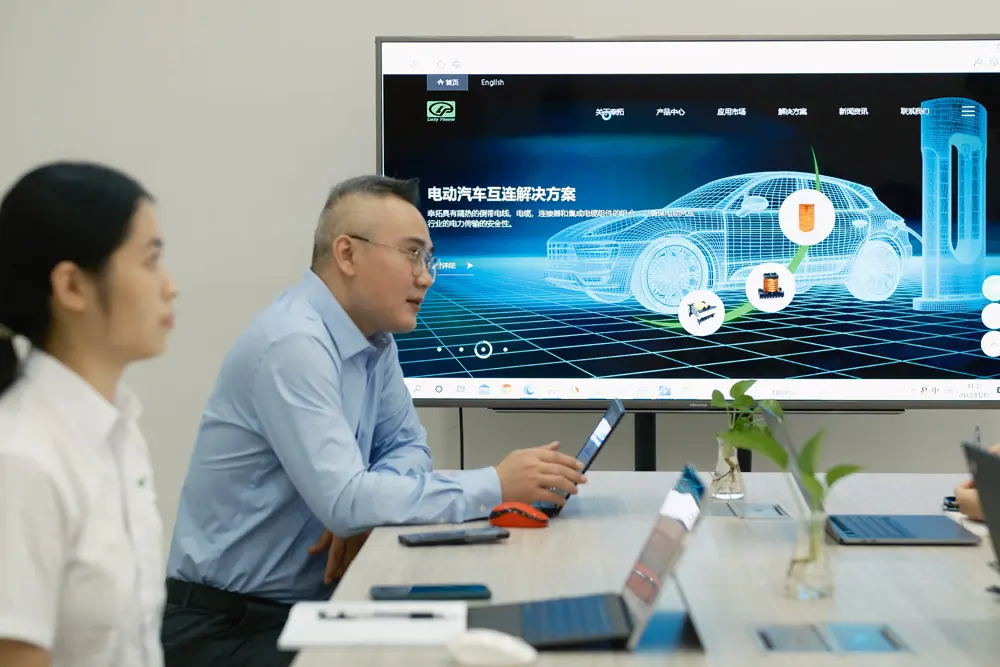
Precision engineering measured in global scale and technical reliability.
How winding wires, Litz wire configurations, and smart protection elements are defining the future.
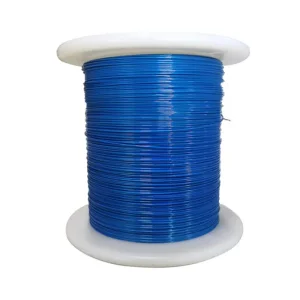
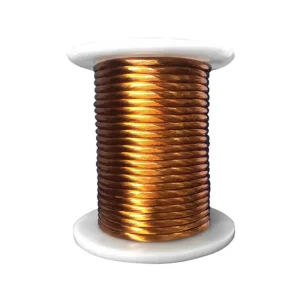
The trajectory of modern power and signal delivery is shaped by material science advances. One key focus is reducing high-frequency losses, particularly skin and proximity effects in transformer and inductor windings. By utilizing high-conductivity Litz Wire, USTC wire, and Mylar-covered wire, Lucky Pioneer minimizes eddy current losses in high-frequency applications, allowing engineers to design smaller magnetic components with higher power densities.
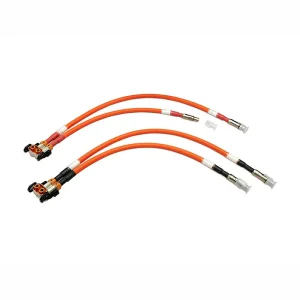
In high-voltage environments, insulation material integrity is critical. Traditional single-layer insulation is being replaced by multi-layer insulated winding wires that can withstand extreme dielectric stress without expanding the wire diameter. This advancement allows power supply and transformer manufacturers to eliminate margin tapes and barrier layers, simplifying production and reducing component footprints. In parallel, automotive systems are moving toward 800V architectures, driving demand for high-voltage wiring harnesses equipped with specialized shielding to prevent electromagnetic interference (EMI) in electric vehicles (EVs).
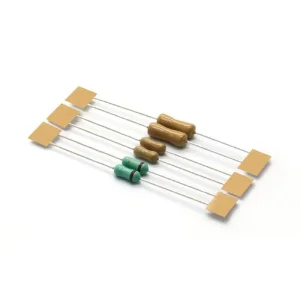
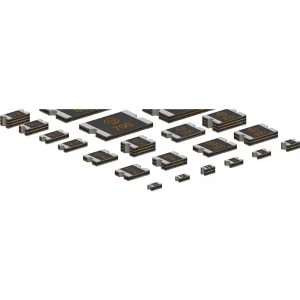
Furthermore, combining power delivery with system safety requires integrating overcurrent protection directly within the wiring assembly. Modern USB Type-C power lines, high-density server power supplies, and photovoltaic arrays require fast-acting, resettable protection devices. Incorporating resettable protectors (PPTC) and advanced photovoltaic fuses directly into custom cable assemblies provides systemic protection against short circuits and thermal runaway, ensuring system longevity.
Engineered value, integrated production cycles, and high-performance quality control.
Comprehensive design and manufacturing insights for cables, connectors, and complex wire harness systems.
End-to-end support spanning from initial concept sketch and rapid prototyping to full-scale mass production.
Specialized design knowledge for medical, sensor, energy, automotive, and telecommunications sectors.
Expert selection and custom development of electrical components to reduce overall costs and shorten NPI cycles.
Disciplined, phase-gate project management processes ensuring delivery milestones, budget compliance, and project transparency.
Advanced quality management tools (SPC, FMEA, PPAP) paired with comprehensive physical testing protocols.
Prompt engineering feedback, rapid modifications, and multilingual support for seamless cross-border collaboration.
Modern industrial and technological ecosystems require highly specialized interconnect configurations. For example, maritime engineering demands connection cables that resist saltwater corrosion, continuous mechanical strain, and thermal fluctuations. In healthcare, medical devices require bio-compatible, highly flexible cables that deliver clean signals and power during surgical and diagnostic procedures.
Similarly, the transition toward solar energy relies on specialized photovoltaic wiring and overcurrent protection components. These parts must survive decades of exposure to extreme heat, cold, UV radiation, and ozone. Lucky Pioneer develops localized, industry-specific solutions that protect critical infrastructure against environmental hazards and operational wear.
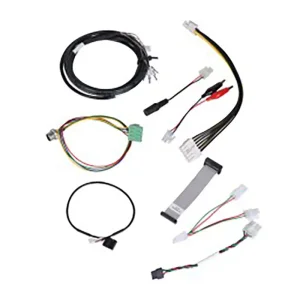
By controlling both copper drawing and insulation chemistry, we design custom wiring solutions for complex industrial challenges, including automotive anti-lock braking systems (ABS), EV drive units, and high-frequency power conversion systems.
We specialize in matching physical and electrical parameters to the exact requirements of your application:
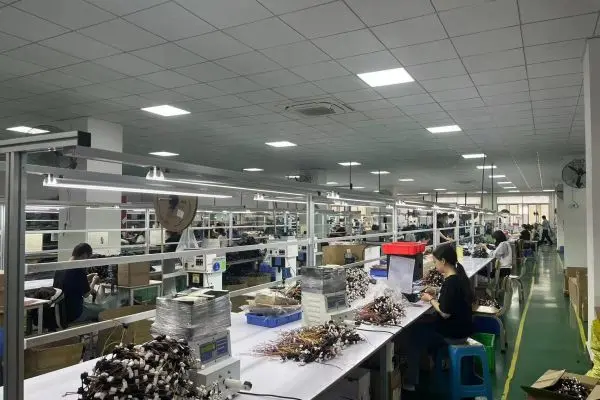
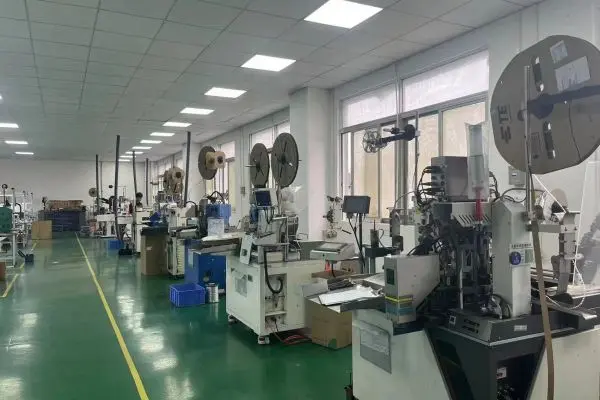
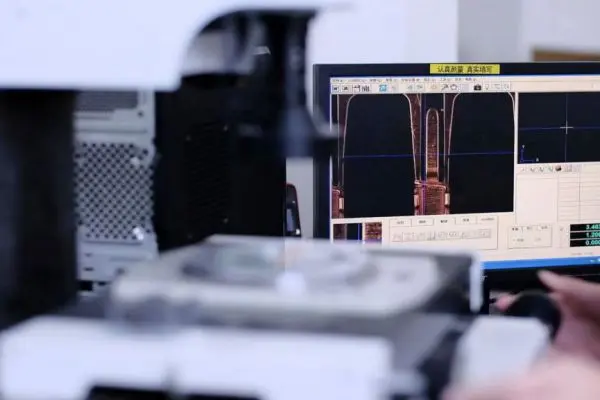
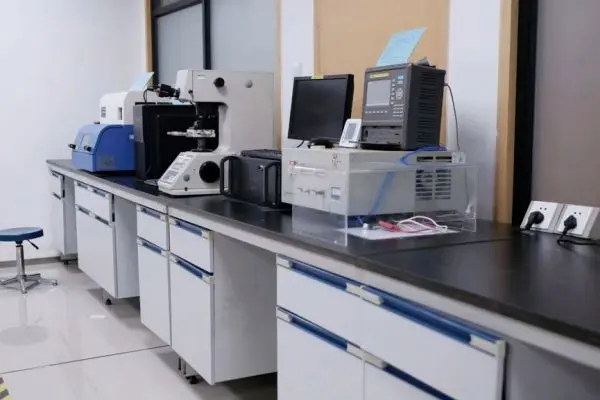
Lucky Pioneer provides scalable design solutions and verified performance through a complete testing infrastructure.
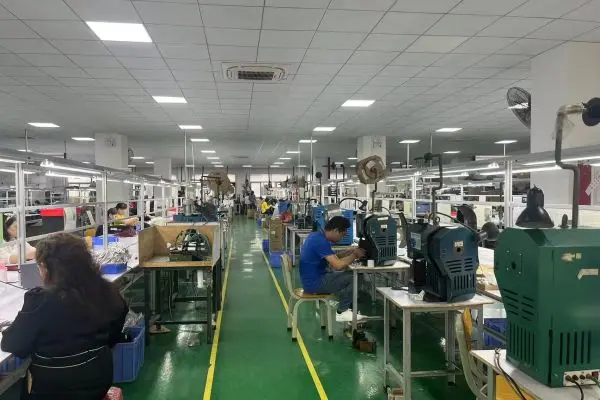
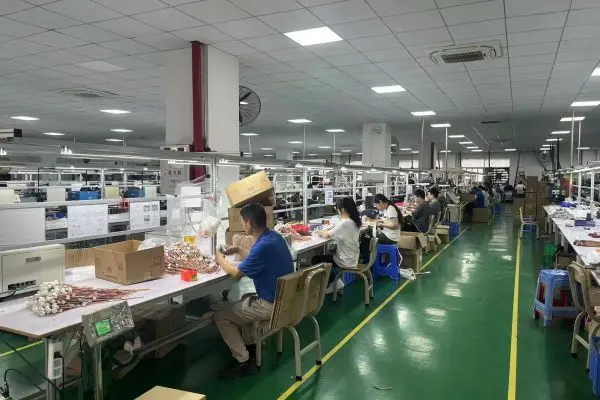
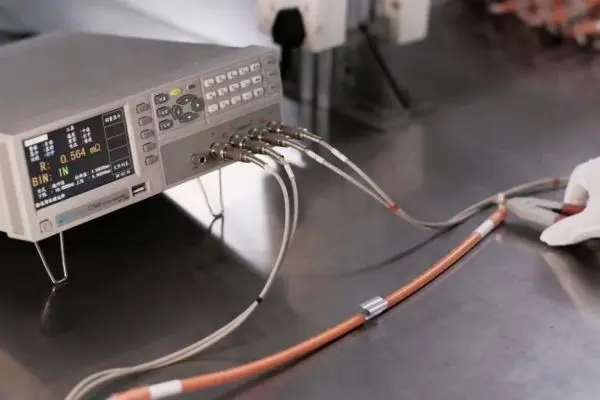
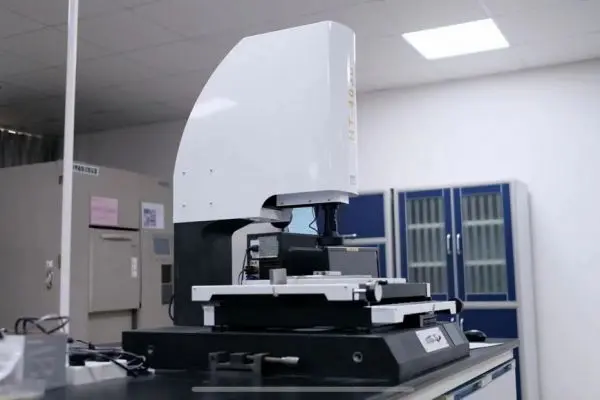
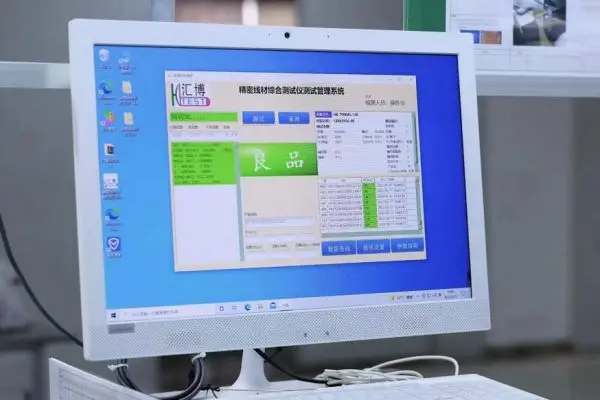
Answering common engineering questions about custom interconnect designs, materials, and applications.
Litz wire features individually insulated strands woven in a specific geometric pattern. This design forces current to distribute equally among the strands, mitigating the skin and proximity effects that occur at high frequencies. Using Litz wire minimizes AC resistance, reduces operating temperatures, and increases transformer efficiency.
Polymeric Positive Temperature Coefficient (PPTC) devices act as resettable fuses. Under overcurrent conditions or elevated temperatures, the polymer matrix expands, shifting the device into a high-resistance state to protect downstream electronics. Once the fault is cleared and the temperature cools, the PPTC resets, resuming normal circuit operation and eliminating the need for fuse replacement.
Multi-layer insulated winding wires (such as triple-insulated wires) provide reinforced isolation capable of withstanding high-voltage surges. This built-in dielectric strength eliminates the need for separate creepage barriers or margin tapes in high-frequency transformers, allowing engineers to reduce magnetic component sizes while maintaining compliance with international safety standards.
Our automotive wiring harnesses—including ABS brake lines and high-voltage EV paths—undergo strict qualification testing. This includes thermal shock testing, continuous vibration profiling, chemical resistance screening, and mechanical pull-force verification. Our processes comply with APQP and PPAP guidelines to meet the automotive sector's zero-defect requirements.
Our marine and offshore connection cables are engineered with high-density polyurethane (HF-PU) or cross-linked polyethylene (XLPE) sheaths. These jackets offer flame retardancy (IEC 60332), low smoke toxicity, and high resistance to saltwater exposure, oil contact, ozone, and continuous mechanical flexing.
 Lucky Pioneer