The global demand for Single Insulated Wire has seen significant growth. According to a recent market analysis, the insulated wire market is expected to reach $30 billion by 2025. This surge is largely driven by the rising electrical infrastructure investments worldwide. Countries like China are emerging as leaders in manufacturing high-quality insulated wires.
Single Insulated Wire plays a critical role in safeguarding electrical systems. Its ability to prevent short circuits and electrical leaks is paramount in various applications. However, navigating the myriad options available can be overwhelming for global buyers. There is a need for detailed guidance to ensure that buyers select the most reliable products.
While the prospects are promising, not all products meet safety and performance standards. Some manufacturers may compromise on quality for cost efficiency. It's essential for buyers to conduct thorough research and consider factors such as insulation materials and certifications. This guide aims to assist global buyers in making informed decisions while highlighting the potential pitfalls to avoid.
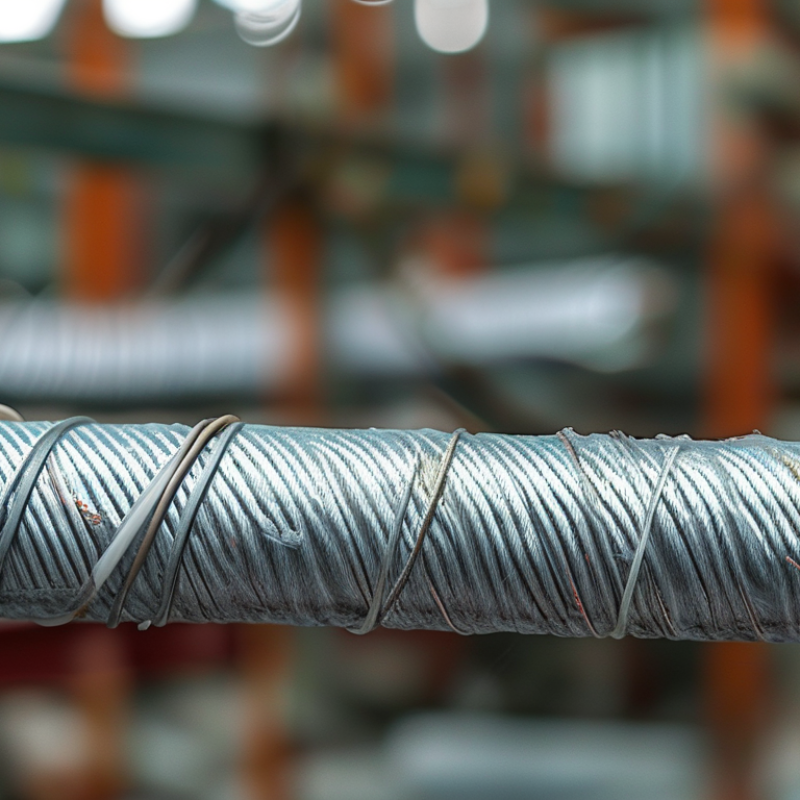
In China, the market for single insulated wire is diverse and growing. Manufacturers offer various types tailored for specific applications. The most common types include PVC insulated wires, rubber insulated wires, and PE insulated wires. Each type has its benefits. For instance, PVC insulated wires are popular due to their affordability and versatility. In contrast, rubber insulated wires are favored for their durability and flexibility in harsh environments.
Statistics show that global demand for single insulated wire has surged by 5% annually. This growth is driven largely by the construction and automotive industries. It highlights the need for reliable suppliers who understand these materials' technical specifications. Industry reports suggest that understanding the wire's insulation type is crucial for ensuring safety and performance. Selecting the right type can greatly impact the longevity and efficiency of electrical systems.
Tip: Always check the insulation material's temperature rating before purchasing. This can prevent costly failures later. Also, examine the wire's voltage rating to ensure compatibility with your projects. Remember, not all insulated wires are created equal; quality matters. A single mistake in selection can lead to significant setbacks.
When selecting insulated wire, buyers face essential considerations. The first factor is wire material. Common choices include copper and aluminum. Copper offers excellent conductivity but comes at a higher cost. Aluminum is lighter and cheaper but may have reduced conductivity. Understanding these materials helps determine suitability for specific applications.
Next, inspect the insulation type. Different insulations meet various environmental challenges. PVC insulation provides good flexibility in moderate temperatures. However, if you need high-temperature resistance, look for wires with silicone or Teflon insulation. Evaluating your environment will help in choosing the right insulation.
Finally, consider wire gauge. The thickness directly affects current capacity. Thinner wires heat up more easily under high loads, risking damage. Adequate sizing is crucial. A mismatch between wire choice and application can lead to failures. Balancing these factors requires thoughtful consideration and attention to detail.
China is home to numerous manufacturers of single insulated wire. These companies cater to global buyers seeking reliable products. When selecting a supplier, consider their expertise and production capabilities. High-quality materials and adherence to safety standards are crucial factors.
Tips: Always verify certifications before making a purchase. This builds trust in the manufacturer’s claims. Reading reviews from previous clients can provide insight into a company’s reliability.
While many manufacturers offer great options, not all meet the same quality standards. Some may cut corners to reduce costs. This compromises the wire's insulation effectiveness. Investing in a reputable manufacturer pays off in the long run, as it ensures safety and durability.
Tips: Request samples to evaluate quality before placing a large order. It’s a practical step to mitigate risks. Ensure the supplier has experience with international shipping to avoid delays.
| Product Type | Application | Material | Current Rating (A) | Voltage Rating (V) | Color Options | Insulation Type |
|---|---|---|---|---|---|---|
| Single Core | Electrical Wiring | Copper | 16 | 600 | Red, Blue, Green | PVC |
| Multi-Core | Industrial Machinery | Aluminum | 10 | 450 | Black, White | Silicone |
| Flexible Wire | Automotive | Copper | 30 | 1000 | Gray, Yellow | Thermoplastic |
| Heat Resistant Wire | High Temperature Equipment | Tinned Copper | 20 | 300 | Red, Brown | PTFE |
When selecting insulated wire, understanding global standards and certifications is crucial. Compliance with international standards assures buyers of both safety and reliability. These standards encompass various aspects, including materials, manufacturing processes, and performance. Adhering to them means the wire can withstand extreme conditions, reducing the likelihood of failures in critical applications.
Different regions have their own standards. The International Electrotechnical Commission (IEC) is recognized worldwide, while UL and CSA are widely accepted in North America. Each certification guarantees that the insulated wire meets specific safety and quality benchmarks. Many companies also pursue ISO certifications, which emphasize continuous improvement and quality management.
However, the landscape is not without challenges. Navigating multiple certifications can be complex. Manufacturers may struggle to keep up with evolving standards, leading to potential lapses in compliance. Buyers must verify each product’s certification and its relevance to local regulations. This diligence ensures that what they purchase meets both their immediate needs and long-term safety requirements.
This chart illustrates the distribution of various global standards and certifications for insulated wire used in the industry. Understanding these standards is crucial for global buyers to ensure product quality and compliance.
When exploring the insulated wire market, pricing trends reveal significant insights for global buyers. Recent reports estimate that the average price for single insulated wire fluctuates between $1.50 to $5.00 per meter, influenced by material quality and market demand. Factors such as raw material costs and shipping logistics affect pricing volatility. Buyers should remain informed about these shifts to manage their procurement budgets effectively.
A study from the Insulated Wire Association indicates that demand is expected to grow at a compound annual growth rate (CAGR) of 3.6% from 2023 to 2030. This growth is driven by increased construction activities and the expansion of renewable energy projects worldwide. Understanding the regional demand can help buyers make smart purchasing decisions.
Tips: Always consider the supplier's reputation. Look for those with robust quality certifications. Be cautious about overly low prices, as they might indicate inferior products. Establishing a reliable relationship with suppliers can lead to better terms and consistent quality. Remember to keep an eye on market reports, as they can provide early warnings of price changes.
: Common materials include copper and aluminum. Copper is more conductive, while aluminum is lighter and cheaper.
Different insulation types protect against environmental challenges. PVC offers flexibility, while silicone withstands high temperatures.
Thicker wires handle more current. Thinner wires can overheat under heavy loads, risking damage.
Key standards include those from the IEC, UL, and CSA. They ensure safety and reliability.
Certifications confirm compliance with safety and quality benchmarks. They help assess a wire's suitability for specific applications.
Yes, evolving standards can create challenges. This might lead to lapses, so buyers should verify compliance themselves.
Buyers must check the product’s certification and its relevance to local regulations for safety assurance.
Mismatched wire can lead to failures. This can cause safety issues and additional costs for buyers.
High temperatures or exposure to chemicals can dictate the best insulation type for specific applications.
Yes, thoughtful consideration of materials, insulation, and gauge can prevent future problems and enhance performance.
The article titled "China Best Single Insulated Wire for Global Buyers Guide" provides a comprehensive overview of single insulated wire types available in China, highlighting their features and applications. It discusses critical factors for buyers, such as material quality, temperature ratings, and compatibility with various electrical systems, which are essential for making informed purchasing decisions.
Additionally, the guide examines top manufacturers in China, ensuring buyers are aware of reliable sources for high-quality products. It also covers global standards and certifications that insulated wires must meet to assure safety and performance. Furthermore, the article provides insights into current pricing trends and market dynamics, equipping buyers with the knowledge needed to navigate the competitive landscape of single insulated wire.

Lucky Pioneer